
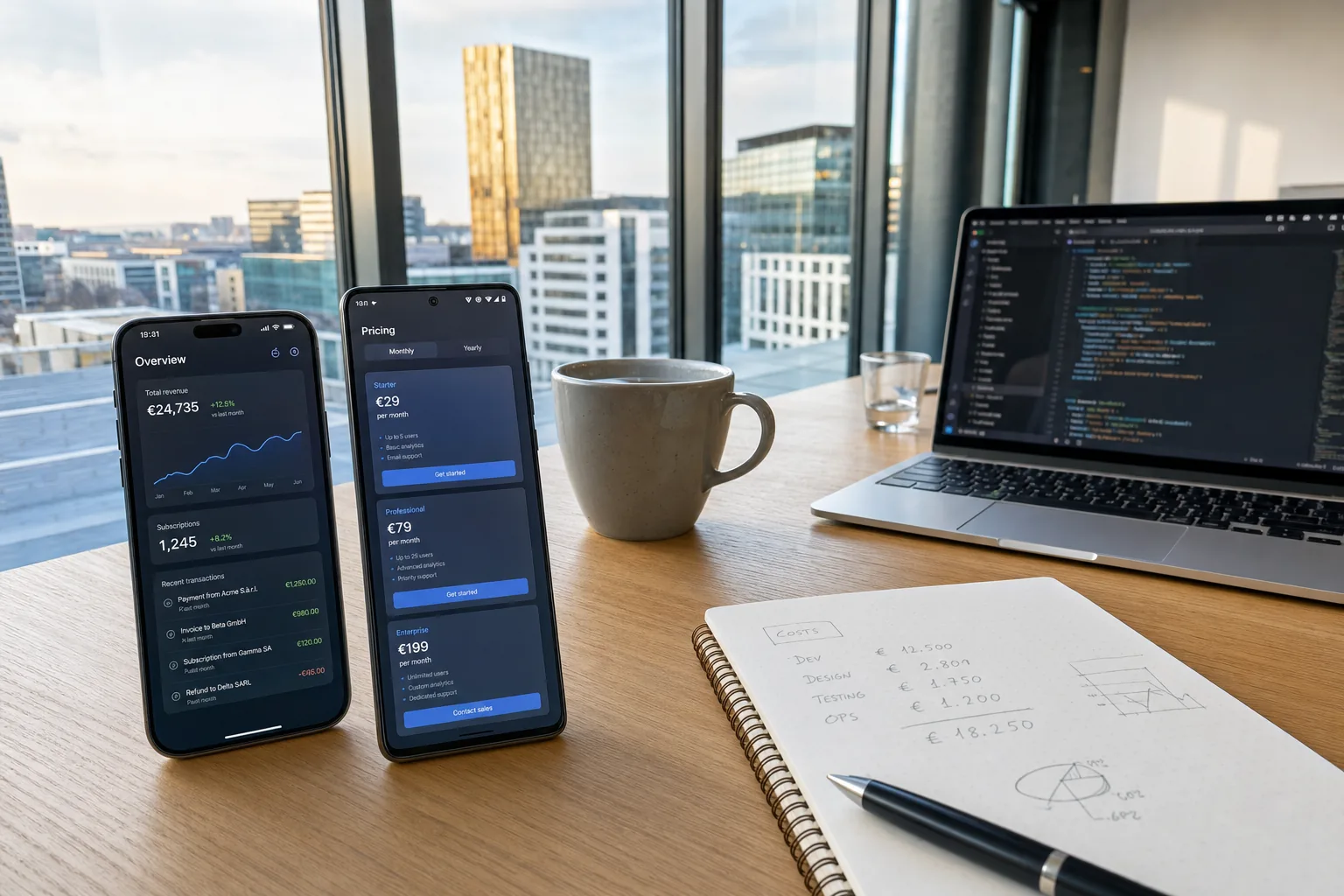
Building a mobile app is exciting, but costs can spiral quickly without a clear plan in place from the very beginning.
Many first-time app owners start with a rough idea of their budget, only to discover unexpected expenses once development is already underway.
Design revisions, backend infrastructure, third-party integrations, and post-launch maintenance often get overlooked during initial planning, leading to stressful mid-project scrambling.
Understanding where your money actually goes, before writing a single line of code, can mean the difference between a smooth, well-managed launch and a budget that quietly spins out of control.
This guide breaks down the real cost drivers behind mobile app development, helping you plan realistically and avoid the most common budgeting mistakes new app owners make.
Understanding the Core Cost Drivers of Mobile App Development
Every mobile app's price tag hinges on a handful of core variables, from design complexity to platform choice.
Even trends like AI development in Luxembourg show how location and technology shift costs before a single feature gets built.
Why platform and feature complexity matter
Choosing between native, hybrid, or cross-platform development directly affects both cost and timeline. Feature-heavy apps with real-time data, custom animations, or complex logic naturally demand more development hours and specialized skill.
Why market growth makes planning essential
The global mobile app development market was valued at USD 302.1 billion in 2025 and is projected to grow to USD 338.65 billion in 2026.
Rising demand means development costs are climbing too, making early budgeting more important than ever.
Why AI integration reshapes budgets
By 2026, 63% of mobile app developers are integrating AI features into their apps. Adding AI-driven personalization or automation increases both development complexity and ongoing maintenance costs, so it deserves early budget consideration.
Breaking Down Your Budget by Development Phase
Every stage of building an app carries its own price range, and understanding this breakdown is key to accurate mobile app development cost in Luxembourg planning, with total budgets typically ranging between €8,000 and €60,000.
| Development Phase | Key Activities | Typical Duration | Team Involved | Estimated Cost |
|---|---|---|---|---|
| Discovery & Research | Market research, competitor analysis, feasibility study, scope definition | 1–2 weeks | Business Analyst, Project Manager | €800 – €2,000 |
| UI/UX Design | Wireframes, prototypes, user flow mapping, design system | 2–4 weeks | UI/UX Designer | €2,000 – €6,000 |
| Frontend Development | Screen building, navigation, animations, responsive layouts | 4–8 weeks | Frontend Developer | €6,000 – €15,000 |
| Backend Development | Server setup, database architecture, API development | 4–8 weeks | Backend Developer | €5,000 – €14,000 |
| Third-Party Integrations | Payment gateways, maps, social logins, analytics tools | 1–3 weeks | Backend/Integration Developer | €1,500 – €5,000 |
| AI & Automation Features | Personalization engines, chatbots, smart recommendations | 3–6 weeks | AI/ML Engineer | €3,000 – €10,000 |
| Quality Assurance & Testing | Bug fixes, device compatibility, performance and security checks | 2–4 weeks | QA Engineer | €1,500 – €4,500 |
| App Store Deployment | Store submission, compliance checks, listing optimization | 1 week | Project Manager, Developer | €500 – €1,500 |
| Post-Launch Maintenance | Bug monitoring, minor updates, server upkeep (monthly) | Ongoing | Support/Maintenance Team | €600 – €1,800 |
| Marketing & Launch Support | ASO, launch campaigns, analytics setup, user acquisition | 2–4 weeks | Marketing Specialist | €1,000 – €5,000 |
Hidden Costs Most First-Time App Owners Overlook
Beyond the obvious design and coding expenses, several costs quietly add up throughout a project.
First-time clients exploring mobile app development in Luxembourg often underestimate these extras, leading to budget overruns well after the initial quote was accepted and work had already begun.
1. Third-Party API and Licensing Fees
Many apps rely on paid APIs for maps, payments, or messaging, and these subscription costs scale with usage. Owners often forget to budget for ongoing licensing fees, which can significantly increase monthly operating expenses as the user base grows over time.
2. Cloud Hosting and Server Costs
Backend infrastructure isn't a one-time expense. As user numbers rise, hosting, storage, and bandwidth costs increase proportionally, and many first-time owners fail to account for this scaling cost until their monthly server bill unexpectedly spikes.
3. App Store Fees and Compliance Costs
Beyond developer account registration fees, apps handling payments or sensitive data may require legal compliance reviews, security audits, or accessibility adjustments, all of which add unplanned costs that rarely appear in initial development quotes.
4. Ongoing Updates and Technical Debt
Operating systems and devices evolve constantly, requiring regular updates to stay compatible. Any provider handling software development in Luxembourg should factor in this continuous maintenance work, since skipping updates often leads to costly fixes later.
5. Design Revisions and Scope Changes
Mid-project feature requests or design changes are common, but they extend timelines and add development hours beyond the original estimate, catching many first-time owners off guard when the final invoice arrives.
6. Marketing and User Acquisition
Building a great app means little without visibility. Owners frequently underestimate how much ongoing advertising, app store optimization, and influencer partnerships cost to actually attract and retain a meaningful, engaged user base.
Smart Strategies to Plan and Control Your App Budget
Controlling software development cost in Luxembourg starts with proactive planning rather than reactive fixes.
With the right strategies in place, owners can avoid overspending, prevent scope creep, and keep their project moving forward without unexpected financial surprises along the way.
1. Define a Clear Scope Before Development Begins
Vague requirements almost always lead to costly changes mid-project.
Writing a detailed scope document upfront, covering features, timelines, and priorities, gives both owners and developers a shared reference point that prevents expensive miscommunication later.
2. Prioritize a Minimum Viable Product First
Launching with core features rather than every planned addition reduces initial spend significantly.
An MVP lets you test real user demand before investing further, avoiding costly development on features that may not actually resonate.
3. Choose the Right Development Approach Early
Deciding between native, hybrid, or cross-platform development impacts cost dramatically.
Selecting the approach that matches your actual audience and goals, rather than defaulting to the most popular option, prevents unnecessary spending on unneeded capability.
4. Partner With an Experienced Development Team
Working with an established custom software development company Luxembourg businesses trust often reduces long-term costs.
Experienced teams catch issues early, avoid rework, and bring proven processes that keep timelines and budgets realistically on track.
5. Build in a Contingency Buffer
Even well-planned projects encounter unexpected costs, from design revisions to last-minute feature requests.
Setting aside roughly fifteen to twenty percent of your total budget as a buffer prevents these surprises from derailing your entire project.
6. Track Spending Against Milestones Consistently
Reviewing costs at each development phase, rather than only at project completion, helps catch budget overruns early.
Regular check-ins with your development team keep spending aligned with progress and prevent silent, gradual budget creep.
7. Plan for Post-Launch Costs From the Start
Many owners budget only for development, forgetting ongoing maintenance, updates, and server costs.
Factoring in ongoing monthly expenses from day one avoids the common mistake of running out of funds shortly after launch.
8. Get Expert Guidance Before You Commit
Consulting a reputable mobile app development company Luxembourg founders rely on can help validate your budget assumptions early.
Expert input often reveals hidden costs and realistic timelines before you commit real money to the project.
Conclusion
Planning a mobile app budget doesn't need to feel overwhelming once you understand where the real costs come from.
By breaking expenses down by development phase, anticipating hidden costs most first-time owners overlook, and applying smart budgeting strategies from day one, you set your project up for a smoother, more predictable journey.
Whether you're building a simple MVP or a feature-rich platform, thoughtful planning consistently makes the difference between a project that stays on track and one that quietly spirals over budget.
Taking the time to map out costs before development even begins isn't just a smart financial move; it's what ultimately allows your app to launch with confidence, clarity, and far fewer unwelcome surprises along the way.
Frequently Asked Questions (FAQs)
How much does it typically cost to build a mobile app?
Costs generally range between €8,000 and €60,000, depending on complexity, features, platform choice, and the development team's location and expertise.
What is the biggest hidden cost people forget to budget for?
Post-launch maintenance is the most commonly overlooked expense, including server costs, bug fixes, and regular updates that continue well after launch.
Should I build an MVP first or go straight to a full-featured app?
Starting with an MVP is usually smarter, letting you test real demand and gather feedback before investing in additional features and functionality.
How much should I set aside as a contingency buffer?
Most experts recommend reserving fifteen to twenty percent of your total budget to cover unexpected changes, revisions, or last-minute feature requests.
Does choosing native development always cost more than cross-platform?
Generally yes, since native development requires separate codebases for each platform, though it can offer better performance for complex, resource-heavy apps.
How long does a typical app development project take?
Most projects take between three and six months, depending on scope, features, and how many revisions occur during the design and testing phases.
Are AI features worth the added cost for a new app?
It depends on your goals, but AI-driven personalization or automation can significantly improve user engagement, often justifying the additional investment over time.
Can I reduce costs by handling some tasks myself?
Handling tasks like research, content creation, or basic marketing yourself can reduce costs, though core development is best left to experienced professionals.
What ongoing costs should I expect after launch?
Expect monthly expenses for server hosting, maintenance, minor updates, and customer support, which typically continue for as long as the app remains active.
How can I avoid scope creep during development?
Defining a clear, detailed project scope before development begins, and sticking to it, is the most effective way to prevent costly mid-project changes.