
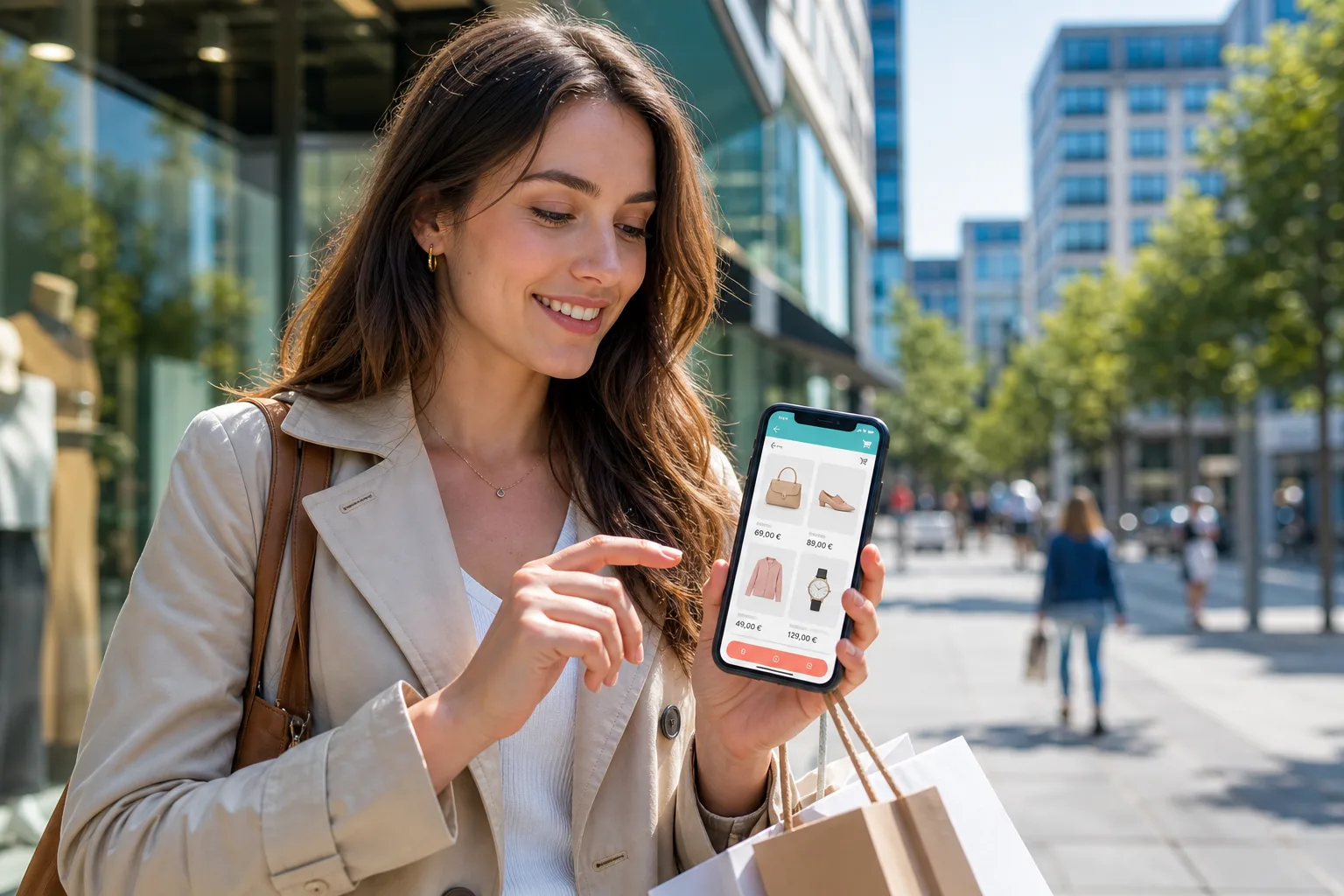
Luxembourg's strong economy, high purchasing power, and strategic position within the EU make it an attractive market for businesses looking to launch or expand their online retail presence.
As consumer shopping habits continue shifting toward mobile-first experiences, more Luxembourg-based businesses are investing in eCommerce app development to capture growing digital sales and stay competitive across the broader European market.
Building a successful eCommerce app requires more than a simple online catalog. Businesses must account for secure payment processing, multi-language support, regulatory compliance, and seamless logistics integration, all while delivering a smooth, reliable shopping experience across devices.
This guide breaks down why businesses are investing in eCommerce apps, essential features and costs, the development process, and how to choose the right partner in Luxembourg.
Why Are Luxembourg Businesses Investing in eCommerce Apps?
Luxembourg's compact, affluent market and strategic EU location make it an ideal environment for mobile-first retail growth. More businesses are prioritizing eCommerce apps to reach digitally-savvy consumers across Luxembourg and neighboring border regions.
High Purchasing Power and Digital Adoption
Luxembourg has one of Europe's highest per-capita incomes, combined with strong smartphone penetration and internet usage. This creates ideal conditions for mobile commerce, as consumers are both financially capable and digitally comfortable making frequent online purchases.
Strategic Access to Cross-Border Shoppers
Bordering France, Germany, and Belgium, Luxembourg businesses can easily reach shoppers across multiple countries through a single eCommerce platform. This cross-border accessibility significantly expands potential customer bases beyond Luxembourg's relatively small domestic population.
Growing Preference for Mobile-First Shopping
Consumers increasingly prefer browsing and purchasing directly through mobile apps rather than desktop websites or physical stores. This shift is pushing Luxembourg retailers to prioritize app-based shopping experiences over traditional e-commerce websites alone.
Must-Have Features and Cost Breakdown for an eCommerce App in Luxembourg
The right features directly shape both user experience and development budget. Understanding what drives mobile app development in Luxembourg costs helps businesses plan realistically before investing in a competitive eCommerce platform.
1. Product Catalog and Search Functionality
A well-organized product catalog with fast, accurate search and filtering options helps customers find items quickly. Clean navigation and detailed product pages directly influence conversion rates and overall shopping satisfaction across the platform.
2. Multi-Language and Multi-Currency Support
Given Luxembourg's multilingual population and cross-border customer base, supporting French, German, English, and multiple currencies is essential. This localization significantly improves accessibility and trust among diverse regional shoppers browsing the platform.
3. Secure Payment Gateway Integration
Supporting multiple payment methods, including cards, digital wallets, and European payment systems like SEPA, ensures smooth transactions. Encrypted, PCI-compliant processing builds customer confidence and reduces cart abandonment during checkout.
4. Order Tracking and Logistics Integration
Real-time order tracking and integration with shipping providers keeps customers informed from purchase through delivery. Reliable logistics coordination is especially important for cross-border shipments common in Luxembourg's regional customer base.
5. Personalized Recommendations and Reviews
AI-driven product recommendations based on browsing behavior help increase average order value and customer engagement. Displaying genuine customer reviews builds trust and significantly influences purchasing decisions for new shoppers.
6. Admin Dashboard and Inventory Management
A centralized dashboard for managing inventory, orders, and customer data streamlines daily operations. Real-time stock synchronization prevents overselling, particularly important for businesses managing both online and physical retail locations.
How to Develop an eCommerce App in Luxembourg: A Step-by-Step Process
Building a successful eCommerce app requires a structured approach that balances local market needs with technical execution. Here's exactly how software development in Luxembourg moves from initial concept to a fully functional, market-ready platform.
1. Define Your Business Model and Target Market
Decide whether you're building a single-brand storefront, a multi-vendor marketplace, or a cross-border retail platform. Clarifying this focus early shapes every subsequent decision, from features to compliance requirements specific to your industry.
2. Conduct Market Research and Competitor Analysis
Studying existing Luxembourg and regional eCommerce platforms helps identify service gaps and customer expectations. Understanding local shopping habits and cross-border preferences gives useful context for positioning your app competitively within this market.
3. Ensure GDPR and Regulatory Compliance
Luxembourg businesses must comply with GDPR and EU consumer protection laws governing online sales, data handling, and returns. Addressing these requirements early prevents costly redesigns later in the development process.
4. Design Wireframes and User Interface
Creating intuitive wireframes for browsing, checkout, and account management ensures smooth navigation before development begins. Prioritizing clean, multilingual-friendly design supports Luxembourg's diverse, cross-border customer base effectively.
5. Choose the Right Technology Stack
Selecting appropriate programming languages, payment APIs, and cloud infrastructure depends on your app's scale and target markets. This decision significantly affects both performance and long-term scalability as your business grows.
6. Plan Your Budget and Development Timeline
Understanding realistic mobile app development cost in Luxembourg upfront helps set expectations for design, payment integration, and logistics features. Most eCommerce apps require several months of development depending on complexity.
7. Build Core Shopping and Checkout Functionality
This stage involves developing product catalogs, search features, cart management, and secure checkout flows. Establishing this technical foundation early supports smoother integration of advanced features later in development.
8. Integrate Payment and Logistics Systems
Connecting secure payment gateways and shipping providers ensures smooth transactions and reliable order fulfillment. This integration is especially critical for handling cross-border shipments common among Luxembourg-based retailers.
9. Add Personalization and Customer Engagement Tools
Incorporating product recommendations, reviews, and loyalty features helps increase customer retention and average order value. These tools become increasingly valuable as your customer base and purchase history data grow.
10. Test, Launch, and Monitor Performance
Rigorous testing across payment flows, languages, and device types prevents costly post-launch issues. Ongoing monitoring after launch helps refine features based on real customer behavior and market feedback.
How to Choose the Right eCommerce App Development Partner in Luxembourg?
Choosing the right partner directly affects your project's cost, quality, and long-term success. Businesses should also weigh AI development in Luxembourg when evaluating partners, since many eCommerce platforms now rely on AI-driven personalization and recommendations.
1. Evaluate Their eCommerce and Retail Experience
Look for teams with proven experience building online shopping platforms, not just general software development. Reviewing past eCommerce projects, particularly in retail or cross-border sales, confirms they understand your specific technical challenges.
2. Assess Their Understanding of Luxembourg's Regulations
Given GDPR and EU consumer protection laws, your partner should demonstrate clear knowledge of compliance requirements for online sales. This is especially important for cross-border transactions and data handling practices.
3. Review Their Payment and Logistics Integration Experience
Ensure the team has experience integrating European payment systems and coordinating with shipping providers for cross-border delivery. This expertise reduces technical risk during checkout and fulfillment feature development.
4. Check Their Portfolio of Deployed eCommerce Platforms
Request case studies showing real, deployed eCommerce apps rather than just prototypes or demos. Successfully launched platforms demonstrate a partner's ability to deliver genuine, measurable business results for clients.
5. Compare Pricing Models and Cost Transparency
Different partners offer fixed-price, hourly, or milestone-based billing structures for eCommerce projects. Comparing multiple quotes and requesting detailed cost breakdowns helps you understand realistic market rates and avoid overpaying.
6. Consider Local Versus Nearshore Development Talent
Luxembourg's high labor costs make nearshore or hybrid teams an attractive option for many businesses. Balancing local expertise for compliance-sensitive work with nearshore talent can meaningfully reduce overall project costs.
7. Read Client Reviews and Testimonials
Genuine feedback on platforms like Clutch or GoodFirms reveals a team's reliability, communication style, and ability to meet deadlines. Consistently positive reviews indicate a trustworthy, dependable development partner.
8. Confirm Post-Launch Support and Maintenance Plans
Ask what ongoing support is included after launch, including bug fixes, security updates, and feature enhancements. Reliable maintenance plans protect your investment and keep your platform running smoothly long-term.
Conclusion
Building a successful eCommerce app in Luxembourg means balancing local market advantages, like high purchasing power and cross-border reach, with strict regulatory and technical requirements. As this guide shows, success depends on prioritizing secure payments, multi-language support, and reliable logistics integration from the earliest planning stages. Choosing a development partner with genuine eCommerce experience and local compliance knowledge matters more than simply picking the lowest quote. Whether you combine local expertise with nearshore talent or build a fully local team, careful planning around features, cost, and process will help your business launch a competitive, scalable eCommerce platform in this thriving European market.
Frequently Asked Questions (FAQs)
How much does it cost to build an eCommerce app in Luxembourg?
Costs typically range from €8,000 to €70,000, depending on features, payment integrations, logistics complexity, and the development team you hire.
How long does it take to develop an eCommerce app?
Most eCommerce apps take 4–7 months to develop, depending on feature complexity, compliance requirements, and the extent of logistics integration needed.
Is multi-language support necessary for a Luxembourg eCommerce app?
Yes, given Luxembourg's multilingual population and cross-border customer base, supporting French, German, and English significantly improves accessibility and customer trust.
What payment methods should a Luxembourg eCommerce app support?
Most platforms integrate cards, digital wallets, and European payment systems like SEPA to accommodate diverse customer preferences across the region.
Does GDPR affect eCommerce app development in Luxembourg?
Yes, GDPR compliance is mandatory for handling customer data, payment information, and online transactions, requiring careful planning from the earliest development stages.
Should I hire a local Luxembourg team or a nearshore agency?
Many businesses use a hybrid approach, combining local talent for compliance-sensitive work with more affordable nearshore teams for broader development tasks.
What features increase eCommerce app development costs the most?
AI-driven personalization, multi-currency support, and cross-border logistics integration typically add the most to your overall development budget.
Can I build an eCommerce app on a smaller budget?
Yes, starting with a basic MVP focused on product catalog, checkout, and payments keeps initial costs more manageable before scaling further.
What ongoing costs should I budget for after launch?
Plan for server maintenance, security updates, and feature enhancements, which typically add recurring annual costs depending on your platform's scale and usage.
Should I hire a specialized eCommerce app development company?
Yes, a specialized company understands payment processing, logistics integration, and Luxembourg-specific compliance requirements, reducing costly errors compared to a generalist team.